
Top Waterproofing Products to Protect Your Home and Foundation
Explore the leading waterproofing solutions designed to prevent leaks, enhance durability, and safeguard your property effectively.
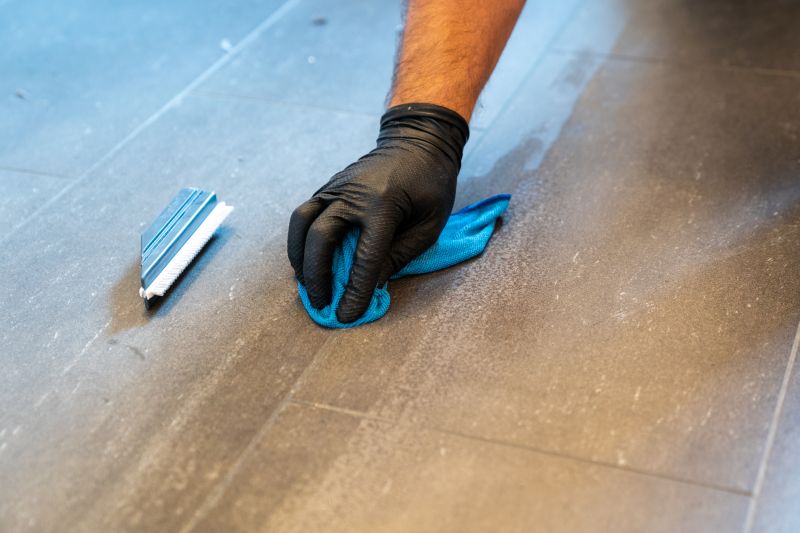 Waterproofing products are essential solutions for protecting structures, foundations, and surfaces from water intrusion and moisture damage. They come in various forms, each designed to address specific needs such as sealing cracks, coating surfaces, or providing barrier layers. Proper selection and application of waterproofing materials can help prevent structural deterioration, mold growth, and water leaks, ensuring the longevity and integrity of buildings and other surfaces.
Top Overall Option
Liquid Waterproofing Membrane
A versatile liquid membrane provides a seamless, flexible barrier that can be applied to a variety of surfaces including roofs, basements, and decks. Its ease of application and ability to conform to complex shapes make it a popular choice for many waterproofing projects. When properly applied, it offers durable protection against water penetration, helping to maintain the integrity of the structure over time.
Types of Products For Waterproofings
Liquid Waterproofing Membranes
Fluid coatings that form a continuous, flexible barrier on surfaces.
Sheet Membranes
Pre-formed sheets made from rubber, bitumen, or other materials for easy installation.
Bituminous Coatings
Asphalt-based coatings suitable for roofs and foundations.
Polyurethane Sealants
Flexible sealants ideal for sealing joints and cracks.
Acrylic Coatings
Water-based coatings used for roof and wall waterproofing.
Cementitious Waterproofing
Waterproofing coatings made from cement, suitable for basements and tunnels.
Rubberized Coatings
Flexible coatings providing waterproof protection for roofs and decks.
Bitumen Sheets
Durable sheets made from bitumen, used on flat roofs and foundations.
Polyethylene Sheets
Thin, flexible sheets used as vapor barriers and waterproof layers.
Foam Sealants
Expanding foam products for sealing gaps and cracks.
Hydrophobic Paints
Paints formulated to repel water and protect surfaces.
Crack Fillers
Specialized products for filling and sealing cracks in concrete and masonry.
Waterproofing Tapes
Self-adhesive tapes used for quick sealing of joints and seams.
Waterproofing Additives
Additives mixed into concrete or mortar to enhance water resistance.
Popular Choices
Widely used for roof and basement waterproofing due to their seamless application.
Commonly selected for flat roofs and foundation waterproofing projects.
Popular for sealing joints, cracks, and expansion gaps.
Favored for their ease of application on various surfaces.
Often chosen for below-grade applications like basements.
Selected for decks and roofs requiring flexible waterproof barriers.
Convenient for quick repairs and sealing seams.
Used to add water resistance to exterior walls and surfaces.
Essential for repairing and sealing cracks in concrete surfaces.
Commonly used for insulating and sealing gaps around windows and doors.
Mixed into concrete or mortar for enhanced water resistance.
Preferred for their durability and ease of installation on large surfaces.
Often used as vapor barriers in construction projects.
Popular for roof and foundation protection in various climates.
Increasingly used for exterior wall protection.
In residential, commercial, and industrial settings, waterproofing products are used on foundations, roofs, basements, and even interior surfaces. The choice of product often depends on the specific application, environmental conditions, and the type of surface being treated. From liquid membranes to sheet membranes and sealants, there are numerous options available to meet different waterproofing challenges.
Applying waterproofing solutions requires careful consideration of surface preparation, product compatibility, and environmental factors. Proper installation techniques enhance the effectiveness of these materials, providing a durable barrier against water ingress. Regular maintenance and inspections can also extend the lifespan of waterproofing systems, helping to identify and address potential issues early.
Whether you are undertaking a new construction project or seeking to improve existing structures, selecting the right waterproofing products is a critical step. Understanding the various types, their uses, and key considerations can help you make informed decisions to protect your property from water-related damage and ensure its structural stability over time.
Key Buying Considerations
- Determine the specific application area such as roof, basement, or walls.
- Assess the compatibility of the waterproofing product with the surface material.
- Consider the environmental conditions, including exposure to sunlight, temperature fluctuations, and moisture levels.
- Evaluate the ease of application and whether professional installation is needed.
- Check the product’s drying or curing time to plan your project schedule accordingly.
- Review the flexibility and elasticity of the product to accommodate surface movement.
- Ensure the product provides a continuous barrier without seams or gaps.
- Look into the durability and expected lifespan of the waterproofing material.
- Consider whether the product is suitable for interior or exterior use.
- Check for any specific safety or ventilation requirements during application.
- Investigate if additional surface preparation is required before application.
- Verify if the product is compatible with other building materials used in your project.
- Assess the cost-effectiveness based on coverage area and longevity.
- Read product reviews and seek recommendations for your specific needs.
- Ensure the product complies with local building codes and standards.